For garments built to last, raw denim has spent years wrapped in bad advice and strange rituals. Contrary to popular belief, machine washing your raws is perfectly fine as long as you know what you're doing.
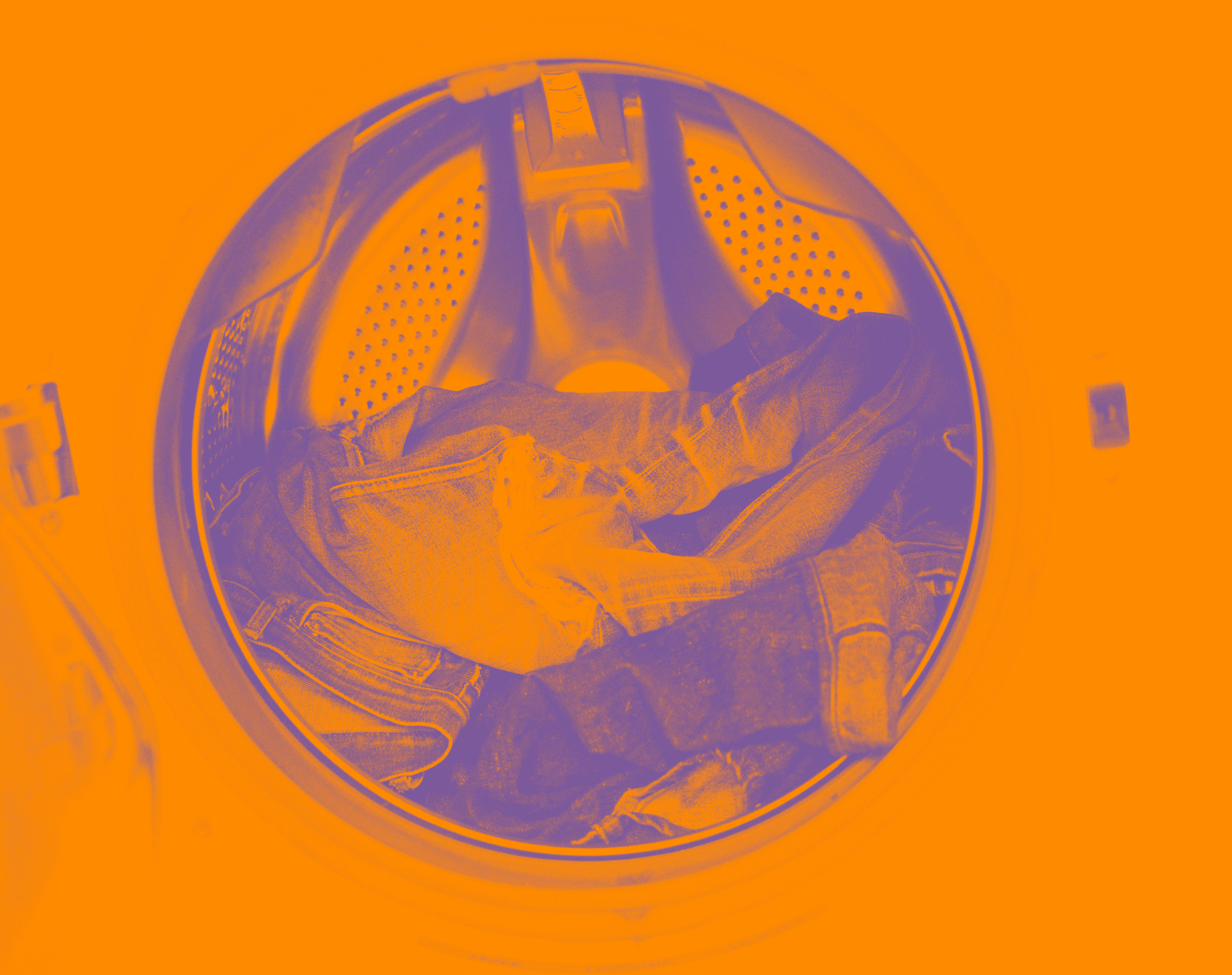
There was a time, in the early days of fashion forums and blogs, when raw denim heads would recommend an "ocean wash" – also known as wading around in the ocean with your jeans on, followed by rubbing them with sand. The salt and abrasion supposedly enhanced fading.
For many great reasons, this tradition is largely dead. What does persist, however, is a certain folklore around washing, fading, and maintaining raw denim – a mythology so entrenched that plenty of people still buy a pair of selvedge jeans and refuse to clean them for a year out of principle.
Let's fix that, starting with a common raw denim boogeyman: the machine wash.
The Argument Against Machine Washing Raw Denim
The main thing you'll hear is that machine washing destroys the fade. The logic goes like this: raw denim fades are created by friction – the indigo slowly wears away at the points of stress unique to your body and your wear patterns. The result, over months and years, is a pair of jeans that looks like it was made for you, because in a sense, it was.
The fear is that throwing your jeans in a washing machine essentially "resets" that process and scrubs away your carefully accumulated fades, leaving you with something closer to a pair of pre-washed jeans from the mall (the horror!).
There's a kernel of truth there. Aggressive washing (hot water, a long cycle, heavy agitation) can and will accelerate fading in ways you don't want. But the conclusion most people draw from this – "never machine wash" – is way overcorrected.
The reality is simpler: the fade lives in the wear, not the wash. And your jeans need to be cleaned.
Why You Should Wash Your Raw Denim (Seriously)
Dirt, oil, and bacteria break down denim fibers over time. Letting your jeans go months without a wash doesn't preserve them, it degrades them. The "never wash" advice, taken literally, will shorten the lifespan of a fabric you paid a premium for.
There's also the matter of fit. Raw denim stretches with wear. A wash done right resets some of that stretch and helps the jeans hold their shape. If you've ever noticed your raws getting a little baggy in the knees, waist, or rear after a few weeks, a proper wash can bring them back.
How to Machine Wash Without Killing the Fade
It's just a few steps.
Turn off the spin cycle. This is the most important adjustment you'll make. The spin cycle is what causes marbling and unwanted creases. The rapid rotation wrings out the fabric unevenly, locking in folds and distortions that are difficult to undo once dry. Turn it off completely.
Choose a gentle cycle. Most washing machines have a delicate or gentle setting. Use it. You don't need a 45-minute heavy-duty cycle for a pair of jeans.
Turn them inside out. This reduces direct agitation on the face of the fabric where the indigo sits. It's a small change but makes a real difference.
Use cold water. Cold water cleans just as effectively for everyday grime and is far gentler on the denim.
Go easy on the detergent and choose the right one. Standard detergents often contain optical brighteners that strip indigo. A small amount of a pH-neutral detergent, or one specifically formulated for denim (Woolite Dark is a common recommendation), will clean without unnecessary color loss. Some purists wash with no detergent at all for regular maintenance washes.
More Washes Aren't Always a Bad Thing
The conventional wisdom assumes you're chasing sharp, high-contrast fades – the kind with dramatic whiskers, stacked honeycombs, and deep creases that take years of patient wear to develop. But that's not the only valid look.
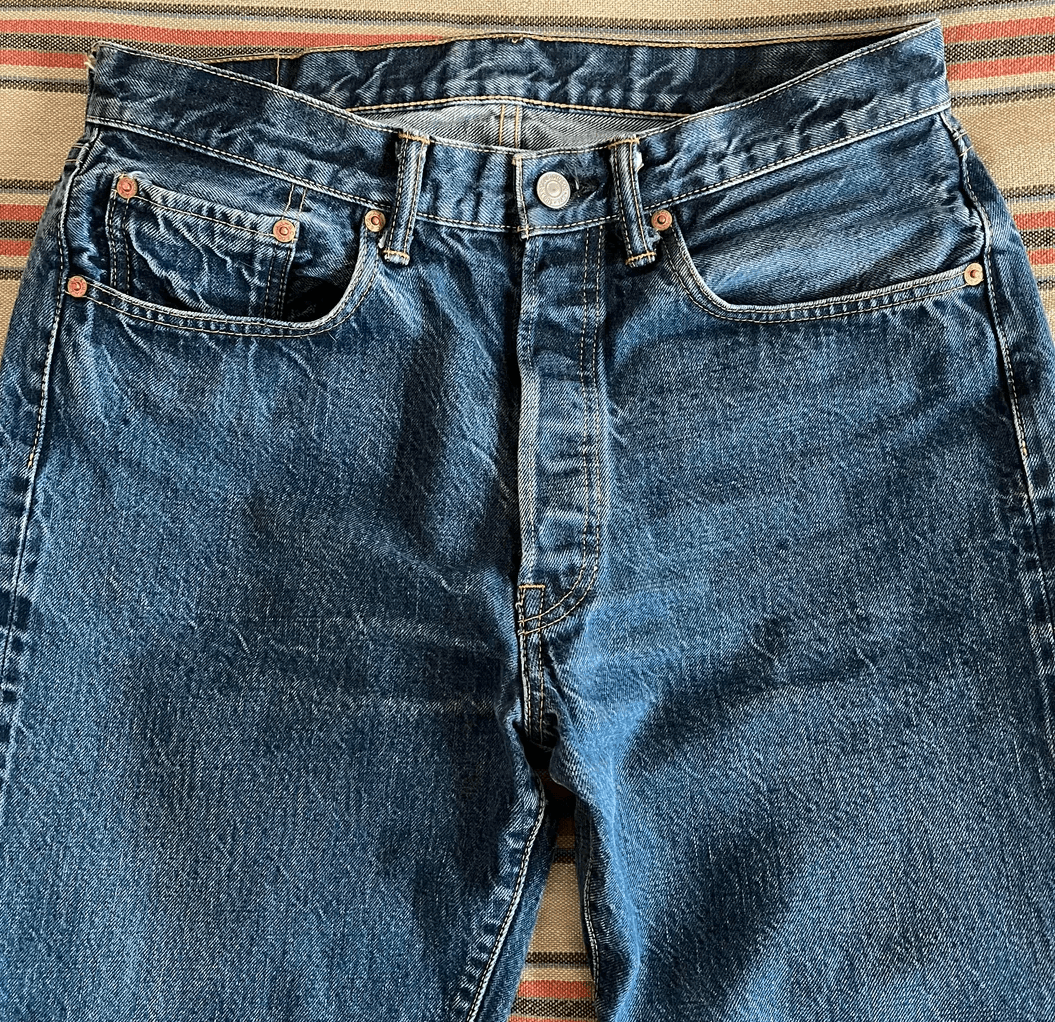
The vintage or "dad jean" fade is a good example. It's a look that's gaining popularity with some denim enthusiasts: soft, even, low-contrast fading across the whole jean, with none of the stark lines you'd get from a more disciplined wear-and-wait approach. Think a pair of well-loved Levi's 550s from the '90s, except faded by you.
If that's what you're after, washing more frequently is actually part of the method. Regular washes soften the denim faster, even out the indigo loss, and give you that relaxed, lived-in character without years of waiting. In this case, the machine isn't working against you – it's doing exactly what you want.
Know what fade you're building toward before you settle into a washing routine. The care instructions don't change, but the frequency might.
What About the Dryer?
Yes, you can even use the dryer – with caveats.
High heat and raw denim are not friends. Tumble drying on high will cause significant, uneven shrinkage and can distort the fabric. A low-heat or air dry setting, however, is just fine for your jeans. A brief run in the dryer on low can actually help raw denim tighten back up to its original dimensions after the stretch that comes with extended wear.
The safest approach, if you want full control: hang dry. Lay them flat or hang them from the waistband and let them air out. You'll get the most predictable results, and the denim will retain its structure better.
If you're in a hurry, ten to fifteen minutes on low heat followed by hang drying is a reasonable middle ground.
How Often Should You Actually Wash Them?
This is where personal preference and lifestyle come into play, but a general guideline: wash when they need it, not on a schedule.
If you're wearing your raws three or four times a week, every three to six months is a reasonable interval for a full wash – sooner if you've been active, sweating, or the jeans are visibly dirty. Spot-treating stains as they happen will reduce how often you need a full wash.
The old "wear them for six months before the first wash" rule was never really about the fade. It was about letting the creases and wear patterns set so the fades have clear lines to follow. If you want dramatic, high-contrast fades, waiting longer before the first wash does help. But it's not mandatory, and it shouldn't come at the cost of basic hygiene.
The Bottom Line
Raw denim has a reputation for being high-maintenance, and some of that reputation is earned – you're buying into a longer game with these jeans, one that rewards patience and care. But "care" doesn't mean avoidance. It means understanding what the fabric actually needs.
Machine wash, cold water, gentle cycle, inside out. Hang dry or low heat in the dryer. Wash when they need it. That's it.
The jeans will fade beautifully regardless. That's what they're made to do.
